Is solar still popular?
With energy prices still volatile and more homeowners looking for ways to cut bills and gain control, solar remains a hot topic in 2026. But the real question isn’t “Is solar popular?” — it’s “Is solar actually worth it for me?”
The short answer: for many UK homes, yes — but only if it’s designed and sized properly.
Here’s a clear, honest breakdown to help you decide.
The current UK solar landscape (2026)
Solar technology has matured significantly over the last decade. Panels are more efficient, systems last longer, and battery storage has become more accessible. At the same time, grid electricity prices remain high compared to historical levels, making self-generated energy more valuable than ever.
Unlike earlier years, solar in 2026 isn’t about government hype or quick paybacks — it’s about long-term savings, energy control, and resilience.
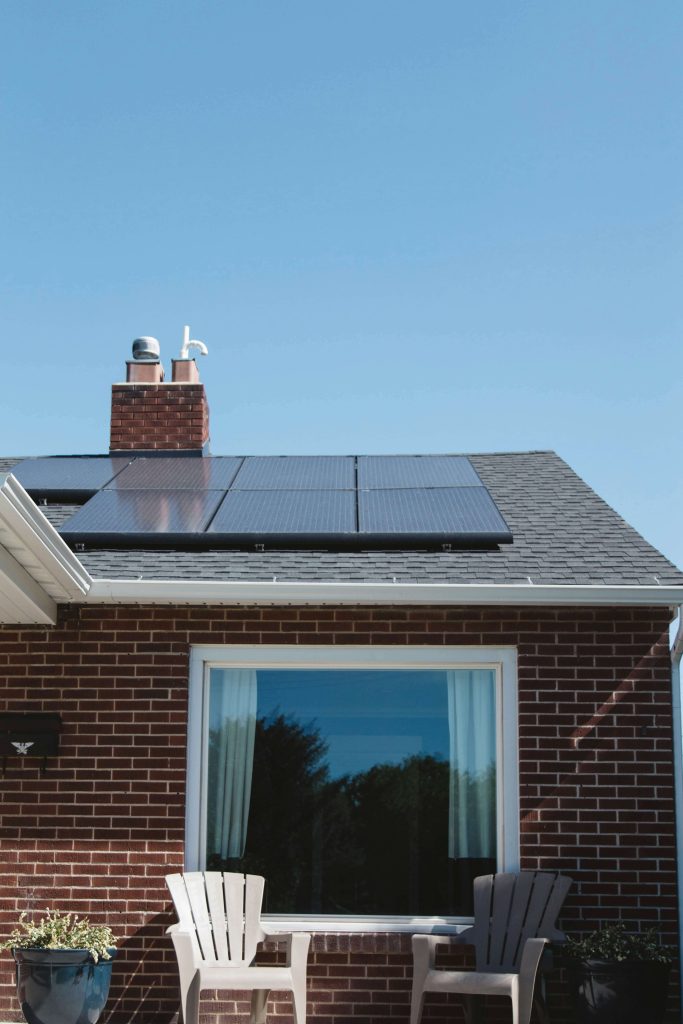
How much can solar really save?
Savings depend on how much of your solar energy you use yourself, not just how much you generate.
In general:
- Homes that use energy during the day benefit most
- Adding a battery increases self-consumption
- Rising grid prices improve long-term returns
Many homeowners see meaningful bill reductions immediately, with savings increasing over time as electricity prices rise.
Solar isn’t a get-rich-quick investment — it’s a cost-reduction strategy.
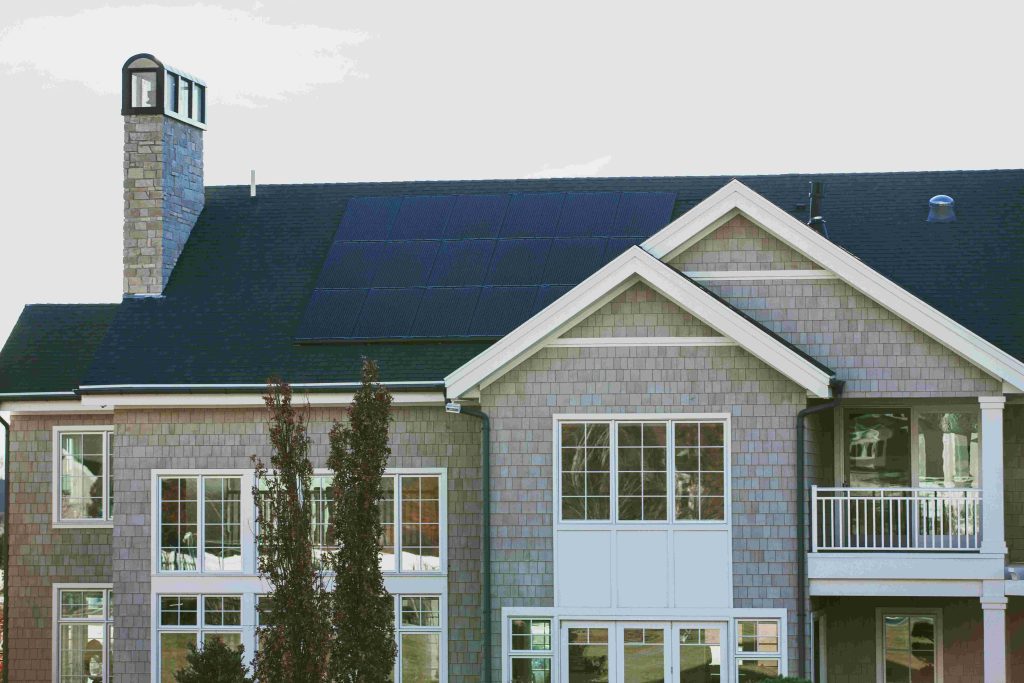
What affects whether solar is worth it?
Solar is not one-size-fits-all. The biggest factors are:
1. Your energy usage
High usage = more opportunity to save.
Daytime usage improves results even further.
2. Roof space, orientation, and shading
South-facing roofs are ideal, but east/west setups can still perform very well when designed correctly.
3. System design (this is critical)
An oversized or poorly designed system can underperform and take longer to pay back.
4. Battery storage
Not essential for everyone — but increasingly valuable for maximising savings and future-proofing.
5. Installation quality
The cheapest quote is often the most expensive mistake long-term.
Solar in 2026 is less about chasing incentives and more about control, clarity, and long-term savings. For many UK homeowners, it’s one of the few upgrades that actively reduces monthly costs rather than adding new ones.
If you’re considering solar, the smartest first step isn’t getting quotes — it’s understanding what actually makes sense for your home.